If you have a field or pasture in Middle Tennessee that has been neglected for years, it can quickly become overrun with invasive brush, thorny vines, and saplings. Reclaiming this land might seem daunting, but forestry mulching makes it a straightforward process that restores the land's agricultural value.
Quick Answer (TL;DR)
Forestry mulching quickly chews through thick brush and small trees, turning a tangled mess into a smooth, mulch-covered surface ready for agricultural use, without destroying the pasture's topsoil.
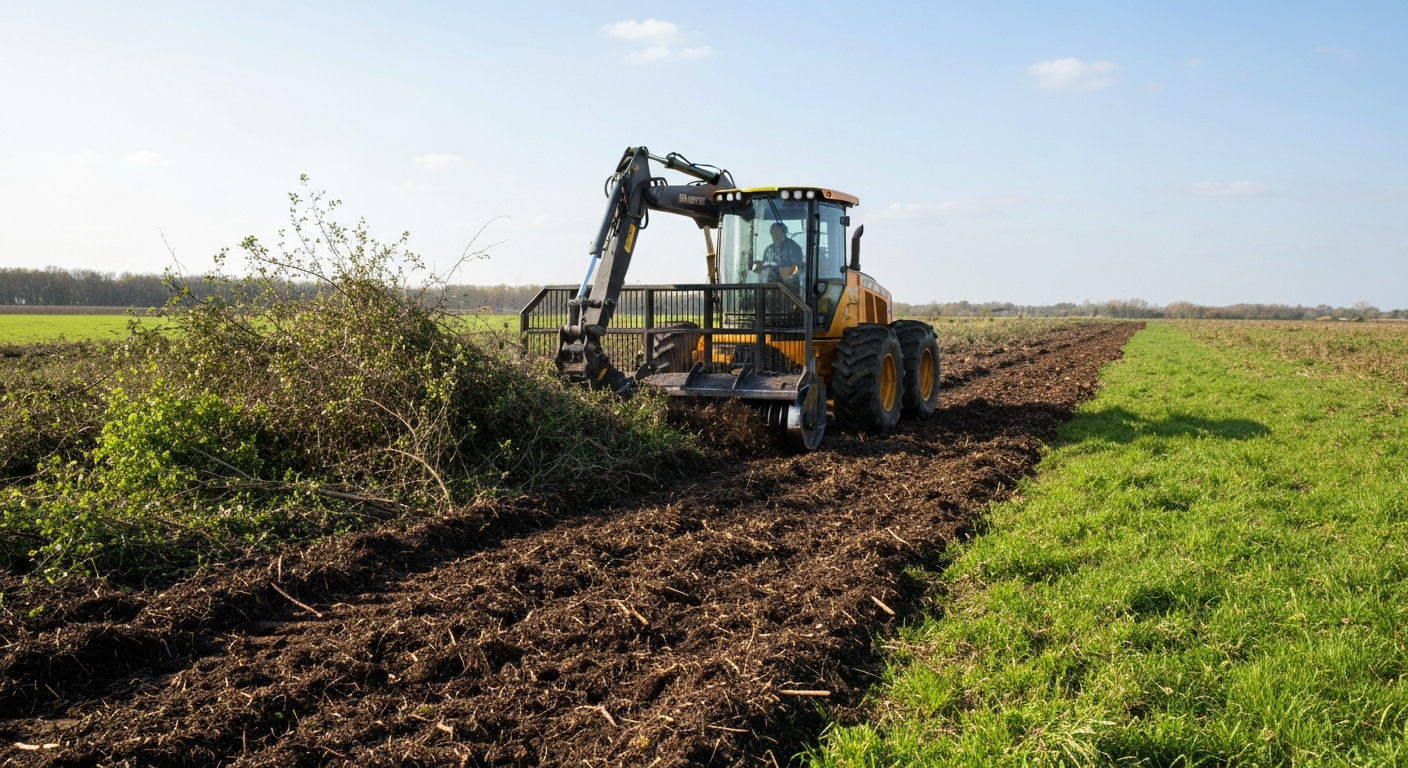
Table of Contents
The Threat of Invasive Species
In Middle Tennessee, pastures left unmanaged are quickly taken over by invasive species like privet, honeysuckle, autumn olive, and thick briars. These plants choke out native grasses and make the land completely impassable for livestock or farming equipment.
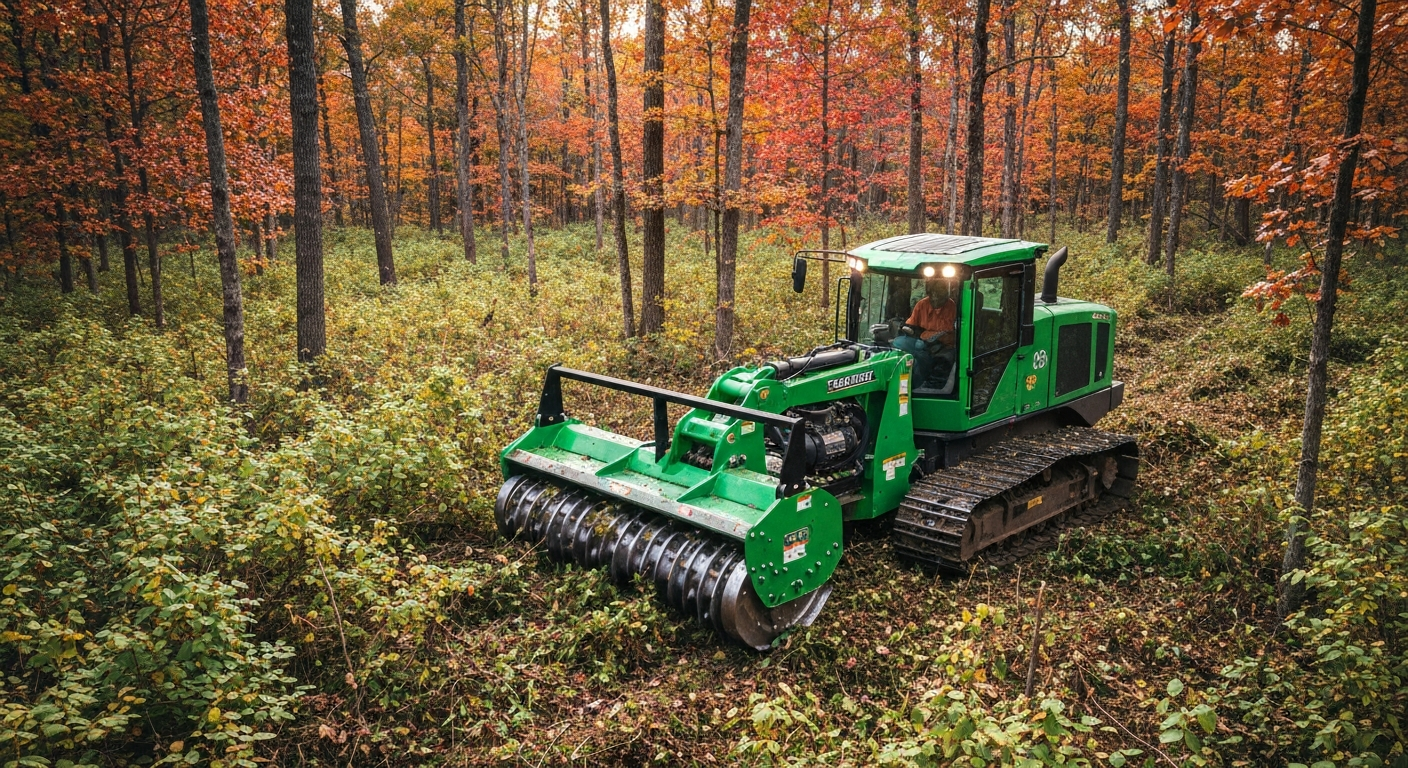
Forestry mulching is the most effective way to eradicate these invaders. By grinding them flush with the ground, we instantly open up the canopy, allowing sunlight to reach the soil and native grasses to begin growing again.
Avoiding Soil Compaction
Pasture land relies on healthy, uncompacted soil to grow thick, nutritious grass for livestock. If you use heavy bulldozers to clear an overgrown field, the immense weight and scraping action severely compact the soil, making it difficult for grass roots to establish.
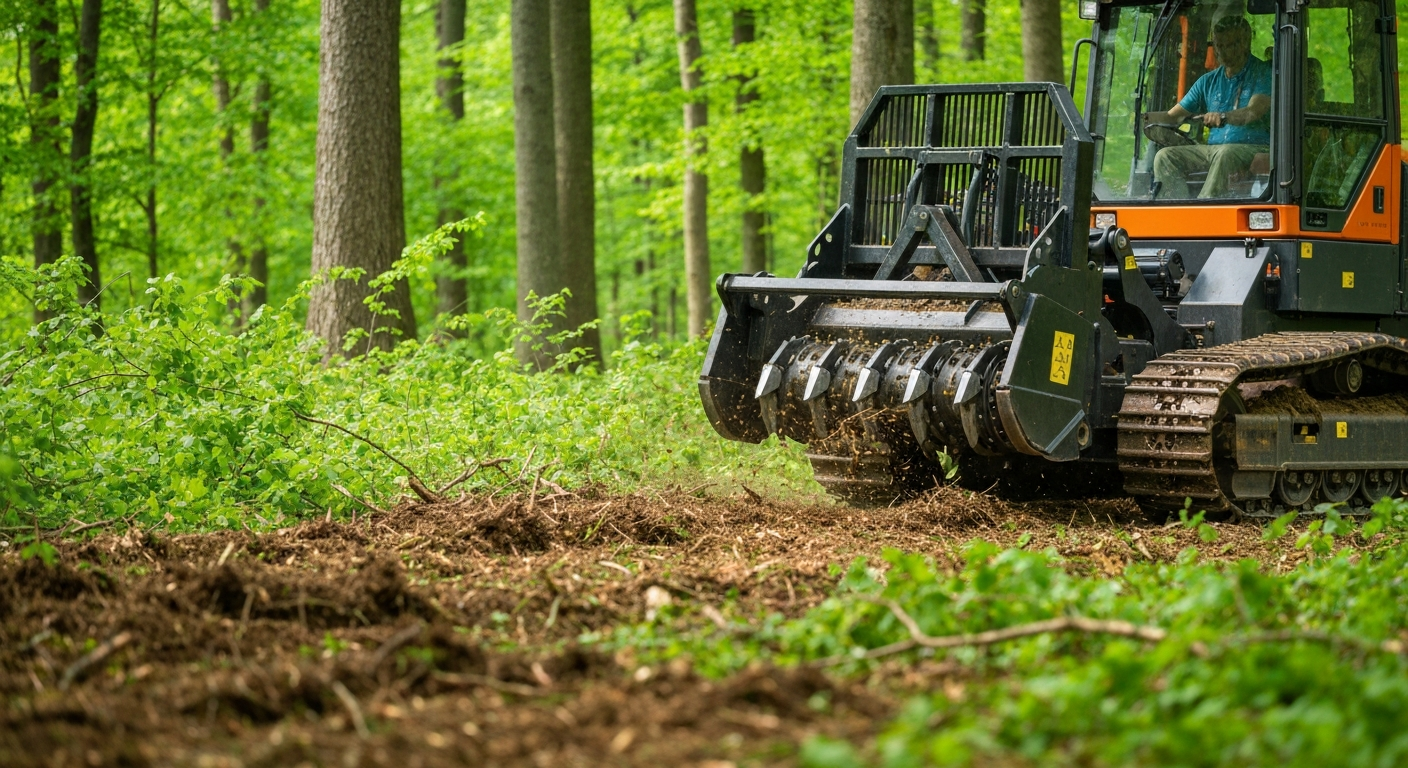
Our tracked forestry mulchers distribute their weight evenly, minimizing ground pressure. We clear the brush without compacting the earth, ensuring your pasture can bounce back quickly and support healthy grass growth.
Tracked mulchers minimize soil compaction, keeping the earth healthy for future grass growth.
Preparing for Livestock and Fencing
Reclaiming a pasture often means installing new fencing. Forestry mulching is perfect for clearing property lines and fence rows. We can cut a clean, straight path through the thickest brush, giving fence installers the access they need.
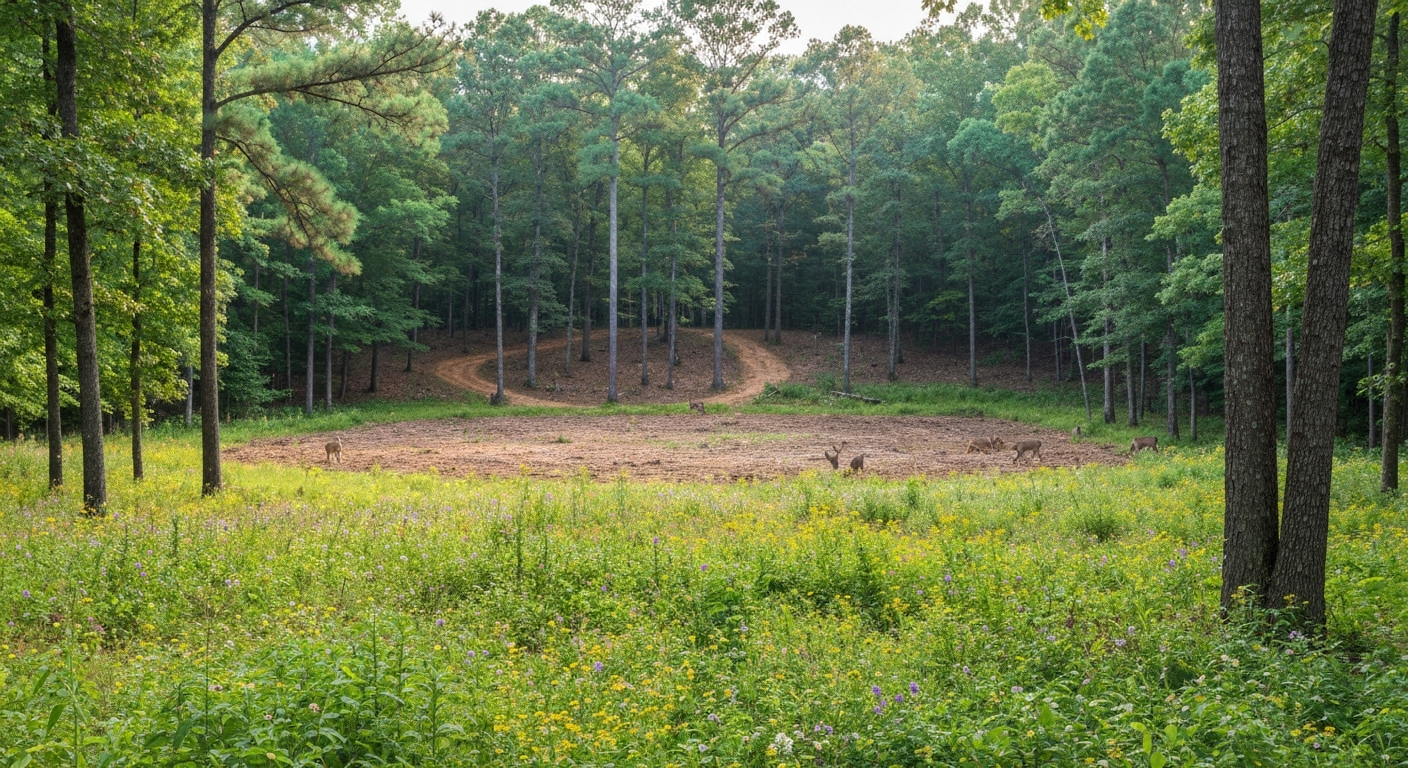
Once the field is mulched, the natural decomposition of the wood chips adds carbon and nutrients back into the soil, creating a fertile environment for seeding pasture grasses.
The Problem
- Loss of usable grazing land for livestock
- Invasion of thorny vines, privet, and harmful weeds
- Inability to access or navigate the property
- Decreased property value due to severe overgrowth
- Soil degradation from lack of sunlight
Our Process
Site Assessment
We walk the pasture in Smithville or Woodbury to identify hazards, fences, and trees to keep.
Heavy Mulching
Our tracked forestry mulcher systematically grinds down unwanted vegetation and invasive species.
Surface Smoothing
We ensure the mulch is evenly distributed for a clean, walkable finish.
Ready for Use
The land is immediately accessible for fencing, surveying, or preparing for livestock.
Common Mistakes to Avoid
Using Undersized Equipment
Standard bush hogs can't handle thick saplings and will leave dangerous, sharp stumps that can injure livestock.
Waiting Too Long
The thicker the brush gets, the more difficult and expensive it is to clear. Early intervention saves money.
Bulldozing Pastures
Bulldozers strip away the nutrient-rich topsoil needed to grow healthy pasture grass.
Frequently Asked Questions
The Final Takeaway
Don't let valuable pasture land go to waste. Forestry mulching offers the fastest, most effective way to reclaim your fields in Smithville, Carthage, and beyond.
Ready to Reclaim Your Land?
- Free On-Site Estimates
- Fast, Eco-Friendly Clearing
- Locally Owned & Operated